
INSIGHTS BLOG
Providing insightful, thought provoking
&
ultimately useful information

The Power of Experimentation in Growing Your Business
In times of great stress, business leaders often find comfort in time-honored sayings such as staying the course or following the plan.
These terms have become cliches for a reason–because they work. It is important to have a direction and to follow a plan especially when the future looks murky.
For a plan to be truly successful, however, it must also leave room for experimentation.
In times of great stress, business leaders often find comfort in time-honored sayings such as staying the course or following the plan.
These terms have become cliches for a reason–because they work. It is important to have a direction and to follow a plan especially when the future looks murky.
For a plan to be truly successful, however, it must also leave room for experimentation.
The world is a very different place than it was 100 years ago and a successful business plan in the 1920s would have looked very different than one would today.
Take for example lifestyle and beauty brand L’Oréal. When the company opened in 1909, more than a century ago, the film industry was in its infancy. There were no televisions, no social media, and no selfies. Had the company not been able to innovate–to test hypotheses–it might have joined the likes of other glamorous lifestyle brands such as Pan Am, Daimler, and Bullocks, and become simply relegated to a footnote in history.
Instead, L’Oréal Group’s research department has grown to 4,000-people strong with a mission dedicated to “improving response to Beauty needs and aspirations of consumers.”
It isn’t just beauty products they are innovating, however. Their marketing team is also constantly staying abreast of consumer needs and trends.
“As marketers, it’s on us to maintain relationships with consumers as their appetites change, which often means using new tools and technology, and rethinking how we tell our stories,” said Axel Adida, global digital chief operating officer, L’Oréal in a Think with Google interview
Every Business Should Plan for Experimentation.
There are plenty of examples of once-mega popular brands that struggled and ultimately failed to adapt to meet changing consumer appetites. And plenty of cases where the opposite is true. The stunning success of the Netflix model comes to mind.
Building a mail-order DVD company when people were growing increasingly uninterested in standing in line at video stores, Netflix’s original subscription model offered an alternative to going out in the rain and snow. It also offered a way to avoid looking for and not finding “out of stock” videos. Most importantly it gave consumers an alternative to late fees.
Ten years after delivering its first DVD, Netflix dipped its toes into new waters, experimenting with a streaming content service in Canada. In 2010, the same year that the Blockbuster video store brand declared bankruptcy, Netflix shifted its focus more fully into streaming and introducing the service in the U.S. By 2014, Netflix had once again shifted its model and was receiving Academy Award nominations for its movie productions.
Similar to L’Oréal, Netflix has a giant research and development (R&D) infrastructure. In 2021, the streaming service spent a whopping $2.27 billion on R&D, and that number reflected a 25 percent increase over the previous year.
Risk Mitigation
While L’Oréal and Netflix are investing significant resources in research and development, not all businesses need a multimillion-dollar budget to dip their toes into experimentation. Especially since experimentation can be an intimidating process leaving CEOs concerned about the cost of “failed” experiments.
Mitigating risk is an important consideration in any research plan. Here it is best to learn from the scientific theory of controlled experiments in which all factors remain consistent except for one variable.
For those new to experimentation, one possible mitigation method is in starting small. Even something as simple as A/B testing in email campaigns, for example, can net valuable information.
A/B testing can consist of nothing more than testing whether or not to include a PS in your email messaging. According to 25 Little Email Marketing Experiments by Hubspot, testing audience response rate might include other experiments such as whether or not to include a headshot in your email, whether or not to use HTML, and even whether or not to use a first name greeting in your email opener.
While email might be a good place to start, all phases of your business should include some room for experimentation.
Defining Success
It is also important to know that failed experiments aren’t always a measure of failure.
So many major corporations are now including “experimentation” as part of their business culture, that the business media has caught on. This led to a trend of business articles on the subject, going so far as to celebrate the virtues of failure, like this 2018 Forbes article Failing Your Way to Sucess.
Perhaps Jeff Bezos, CEO of Amazon.com explained the benefits of failure best in the 1998 Amazon.com SEC Filing. In the filing, which also noted that Amazon.com had become the fastest company to ever reach $100 billion in annual sales, Bezos wrote:
“Given a ten percent chance of a 100 times payoff, you should take that bet every time. But you’re still going to be wrong nine times out of ten..”
In that same filing, Bezos also wrote, “failure and invention are inseparable twins.”
Experiments can be scary because they can disrupt your current business. But isn’t it better to be the company doing the disrupting rather than the one following another’s company’s new business model? Making experimentation a true part of the corporate culture means that employees must be allowed the freedom to explore and the freedom to fail.
Establishing an experimentation-friendly environment works best when ensuring your research and development is guided by a caretaker who understands your business as well as the core values behind your vision.
If you’re looking to build a controlled experimentation-friendly environment that is in keeping with your core values, we’d love to support you and your senior team. Please contact us and we’d be happy to schedule a call to discuss your strategic vision.

Building Your Executive Leadership Team, Hollywood-Style
When it comes to building the ideal executive leadership team, it can help to take a few lessons from the multibillion-dollar film industry.
In the “industry,” Hollywood magazines are chock full of stories of “A-list” actors and directors whose collaboration should guarantee movie success but instead, their misaligned relationships tanked hundred-million-dollar films.
In the corporate world, building an incorrectly aligned executive leadership can be an equally costly mistake. As a strategic coach who has worked with companies in a diverse set of industries with diverse teams, I’ve seen mishires in key senior roles cost companies hundreds of thousands – if not millions – of dollars in lost revenue.
Your first step in building the ideal leadership team and attracting a cast of “A-list” players is fully defining your company’s core values.
When it comes to building the ideal executive leadership team, it can help to take a few lessons from the multibillion-dollar film industry.
In the “industry,” Hollywood magazines are chock full of stories of “A-list” actors and directors whose collaboration should guarantee movie success but instead, their misaligned relationships tanked hundred-million-dollar films.
In the corporate world, building an incorrectly aligned executive leadership can be an equally costly mistake. As a strategic coach who has worked with companies in a diverse set of industries with diverse teams, I’ve seen mishires in key senior roles cost companies hundreds of thousands – if not millions – of dollars in lost revenue.
Your first step in building the ideal leadership team and attracting a cast of “A-list” players is fully defining your company’s core values. Although there aren’t necessarily any “right” or “wrong” values, at PFD Group we find that our most successful clients define their core values, setting a vision around those values, and then implement a strong communication strategy to repeatedly share those values.
Setting the Vision
To ensure that everyone is moving in the same direction, it is critical that your team understands the vision for the company.
Back to the movie analogy, if you’re filming a comedy but a few cast members come to the set expecting to shoot a horror film, a horror scene is probably exactly what will happen.
It is equally important that all executive team members understand the corporate vision to ensure everyone is heading in the same direction. Understanding only comes with communication, however, which is why a strong communications plan is so important.
Communicating the Vision
As a leader, it is crucial that you clearly and effectively share your corporate values on a daily basis. An effective communication strategy ensures your leadership team knows what’s expected of them. It can also help you measure if your executive team is meeting its performance metrics.
In a more tangible example, one of Hollywood’s all-time “A-List” actors, George Clooney, is notoriously known for his less-than-stellar performance in the 1995 movie Batman & Robin. Even Clooney admits he was “terrible” in the film.
Clooney attributes his poor performance to a Hollywood technique known as looping, in which an actor sits in a booth and narrates dialog over a scene he’s previously filmed. Clooney has said he hates looping because it makes his scenes feel lifeless.
Core Values
For Batman & Robin, the issue of looping highlights the importance of a CEO having a clear vision for the company and a communication plan for implementing that vision. In this case, the production might have been better served by understanding the core values (looping), communicating them, and most importantly, understanding how the “A Player” was not aligned with that culture.
George Clooney, who is without question a stellar performer, was not enough to save the film, as his values were not aligned with the production’s core value.
This is a challenge faced by many of the corporate leaders I meet. Sometimes your “A List” leader is simply not the right fit for your corporate culture.
When I tell partners and colleagues this, I’m always met with the same question: how exactly can I attract the type of game-changing talent I’m looking for? A creative and regimented talent sourcing plan can put your company in a position to attract great talent.
If the idea of finding and keeping your own “A List” cast of characters resonates with you, we’d love to support you and your senior team. Please contact us and we’d be happy to schedule a call to discuss your strategic leadership plan for the coming year.

How to Maximize 2022
No doubt, the past two years have been incredibly difficult ones and just when we thought we might be turning a corner, the world has been cast into a new set of challenges that don’t appear to have any easy answers.
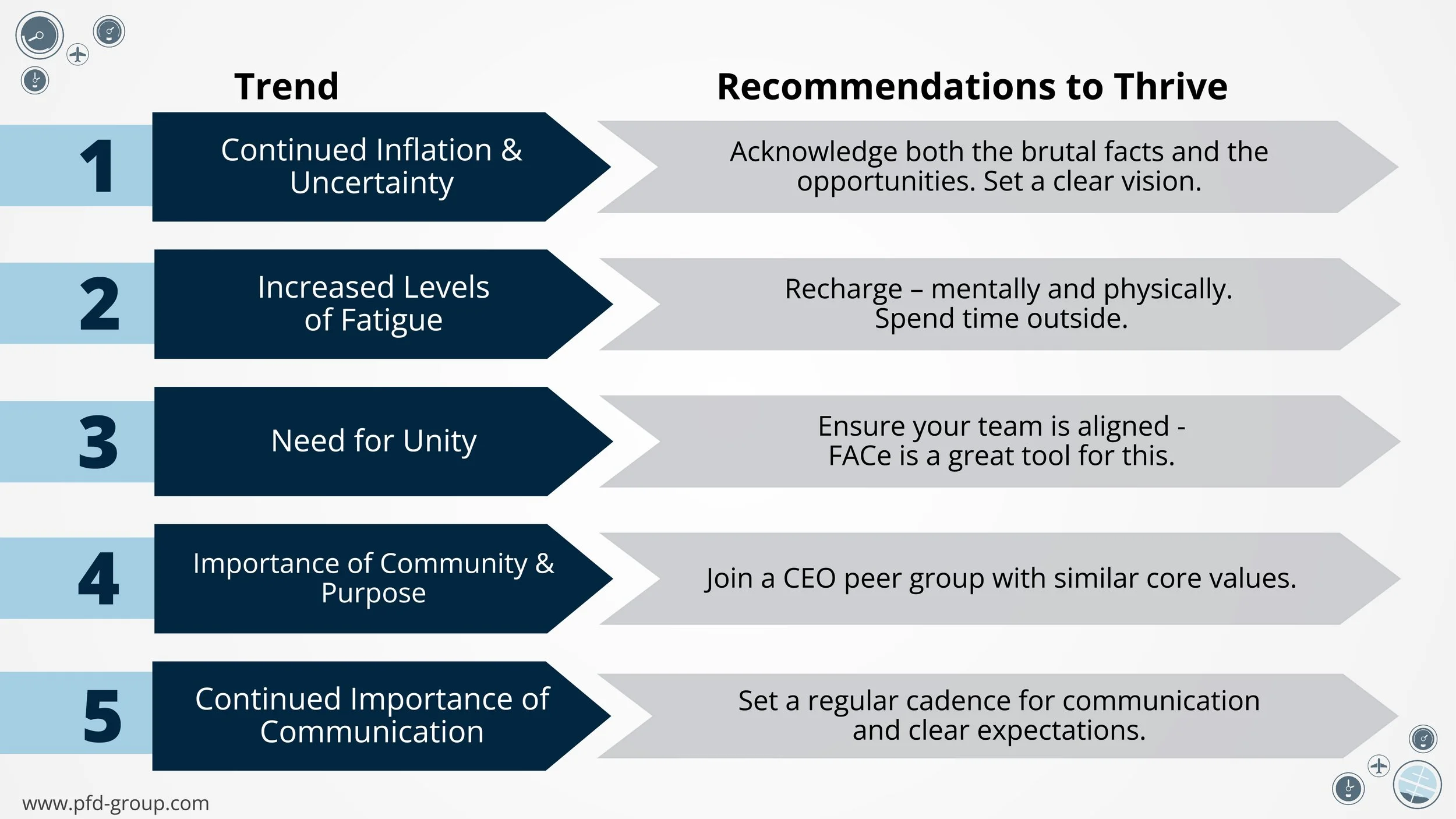
Despite the uncertainty, times of great challenge can also be times of great opportunity. Especially for those who are prepared. Ahead are five trends to be on the lookout for this year and recommendations on how you can thrive.
No doubt, the past two years have been incredibly difficult ones and just when we thought we might be turning a corner, the world has been cast into a new set of challenges that don’t appear to have any easy answers.
Despite the uncertainty, times of great challenge can also be times of great opportunity. Especially for those who are prepared. Ahead are five trends to be on the lookout for this year and recommendations on how you can thrive.
Trend: Continued Inflation and Uncertainty
For nearly two years, experts have been projecting “better times” ahead. Without a clear timeline for when that will unfold, and with the ongoing stressors being reported daily, it might be easy for leaders to lose faith in their forward momentum. Uncertainty, however, will always be a part of leadership planning. The antidote is to create a clear vision and stay true to its course. First, determine where you are going, then plug in the who and the how.
In times of great stress, we can take our lessons from Admiral James Stockdale, who was famously a prisoner of war during the Vietnam War. As the highest-ranking officer at the Prisoner of War Camp known as the “Hanoi Hilton,” Stockdale created a formula that could help his men survive even as they faced the most brutal conditions.
This formula, which has become known as the Stockdale Paradox, reads:
“Acknowledge and confront in every way the brutal facts of your situation and hold onto the unwavering faith that you will prevail in the end.”
In implementing the advice of Admiral Stockdale, leaders should not only face the realities of 2022 but also move forward with hopeful optimism that they will prevail through these circumstances. This is no small feat. Sometimes you have to dig deep to tap into your spirit of perseverance, but relying on your well-founded strategy and having a steadfast commitment to executing that strategy will help you stay the course.
Trend: Increased Levels of Fatigue
New global and local challenges also mean fatigue and stress will be a significant part of everyday life. As such, business leaders will feel the additional burden of how to take care of the people they employ as well as the people in their broader communities. As leaders, we often feel we need to put in extra hours to protect our team, but in doing so, we may forget to make time to take care of ourselves.
One easy fix is to spend time outside. It is called the GREAT outdoors for a reason.
The benefits of being outside have been regularly and scientifically documented and include reduced stress, reduced anxiety and depression, and a boosted immune system. While spending time outdoors won’t solve all your challenges, it can help you recharge and move forward with a stronger sense of purpose.
Simultaneously, encourage your team to spend time outdoors. By encouraging them to find ways to reduce their stress, you help foster a better workplace culture. If you are among the people who find it hard to make time for yourself, we encourage you to download our tool to schedule and protect your much-needed time to recharge.
Trend: Need for Unity
Speaking of workplace culture, 2022 is a time to bring people back together. After two years of remote work and Zoom meetings, the sense that we’re disconnected from one another will only continue to grow. To mitigate the sense of isolation, it is critical for leaders to build a sense of unity in their teams.
Unity can be forged by having the team in alignment as they refocus on the overall business strategy. To help build that unity, make sure to clearly define what each person is accountable for.
By utilizing a Function Accountability Chart (FACE), a tool developed by Verne Harnish in Scaling Up, leaders can create a Job Scorecard, where they highlight key roles in their organization, what competencies are most needed to fill those roles, and who is needed to fill missing roles
We recommend you fill out a FACE card during an in-person strategy session with your senior leadership. Define who will be responsible for what in three years’ time, making sure that every senior member is simplifying their functional role as much as possible. Then work backward – working through your BHAG, then your 1HAG, and then keeping backgward to your 90-Day Plan.
Clearly defining the vision can bring about a stronger sense of alignment towards the organization’s goals among the entire team.
Trend: Importance of Community and Purpose
As a CEO, you have already been hearing about “the great resignation,” as the economy is seeing unprecedented levels of people leaving long-standing jobs in favor of new opportunities. Keeping on track with your vision can help overcome this challenge to a certain extent.
However, “no man is an island” as the saying goes. Learning from your peers as to how they respond to challenges and successes can help you develop your own personal accountability. Cultivate your own personal leadership style by joining a peer group of similar business leaders. This group (also called a cohort or mastermind group) should consist of people who share similar experiences so you can help mentor one another.
It is imperative, however, to find a cohort that consists of people who have similar goals as you and who will support you in your challenges, just as you share their values and are ready to support them as well.
Trend: Continued Importance of Communication
Creating systems of accountability for your business is not enough to guarantee forward momentum. As anxiety and uncertainty prevail, it is critical that you give people impacted by your decisions a chance to voice their opinion.
When Monty Moran was Co-CEO of Chipotle, he made it a priority to visit as many restaurant locations as possible and talk to the people who worked at each location. He used those learnings to develop his own priorities. Monty then developed a managerial pipeline, creating better opportunities for employees to advance with Chipotle.
By having these conversations, Monty created programs that helped benefit his employees and fostered greater team unity.
We know 2022 may look daunting, but we’ve survived 2021 and 2020, and can continue to thrive as long as we stay true to our vision and find the right talent to work with us to build that vision. Stay the course, and the opportunities will present themselves.

Recommended Reading: October 2021
As a part of our continued commitment to providing the best resources for leaders to better themselves and thrive, for our October Reading List, we recommend these books: Risk: A User’s Guide - General Stanley McChrystal and Anna Butrico, and We Fed an Island: the True Story of Rebuilding Puerto Rico, One Meal at a Time by José Andrés and Richard Wolffe
As a part of our continued commitment to providing the best resources for leaders to better themselves and thrive, for our October Reading List, we recommend these books: Risk: A User’s Guide - General Stanley McChrystal and Anna Butrico, and We Fed an Island: the True Story of Rebuilding Puerto Rico, One Meal at a Time by José Andrés and Richard Wolffe
Risk: A User’s Guide - General Stanley McChrystal and Anna Butrico

From the bestselling author of Team of Teams and My Share of the Task, an entirely new way to understand risk and master the unknown.
Retired four-star general Stan McChrystal has lived a life associated with the deadly risks of combat. From his first day at West Point, to his years in Afghanistan, to his efforts helping business leaders navigate a global pandemic, McChrystal has seen how individuals and organizations fail to mitigate risk. Why? Because they focus on the probability of something happening instead of the interface by which it can be managed.
In this new book, General McChrystal offers a battle-tested system for detecting and responding to risk. Instead of defining risk as a force to predict, McChrystal and coauthor Anna Butrico show that there are in fact ten dimensions of control we can adjust at any given time. By closely monitoring these controls, we can maintain a healthy Risk Immune System that allows us to effectively anticipate, identify, analyze, and act upon the ever-present possibility that things will not go as planned.
Drawing on examples ranging from military history to the business world, and offering practical exercises to improve preparedness, McChrystal illustrates how these ten factors are always in effect, and how by considering them, individuals and organizations can exert mastery over every conceivable sort of risk that they might face.
We may not be able to see the future, but with McChrystal’s hard-won guidance, we can improve our resistance and build a strong defense against what we know—and what we don't.
We Fed an Island: the True Story of Rebuilding Puerto Rico, One Meal at a Time - José Andrés and Richard Wolffe

The true story of how a group of chefs fed hundreds of thousands of hungry Americans after Hurricane Maria and touched the hearts of many more
Chef José Andrés arrived in Puerto Rico four days after Hurricane Maria ripped through the island. The economy was destroyed and for most people there was no clean water, no food, no power, no gas, and no way to communicate with the outside world.
Andrés addressed the humanitarian crisis the only way he knew how: by feeding people, one hot meal at a time. From serving sancocho with his friend José Enrique at Enrique’s ravaged restaurant in San Juan to eventually cooking 100,000 meals a day at more than a dozen kitchens across the island, Andrés and his team fed hundreds of thousands of people, including with massive paellas made to serve thousands of people alone.. At the same time, they also confronted a crisis with deep roots, as well as the broken and wasteful system that helps keep some of the biggest charities and NGOs in business.
Based on Andrés’s insider’s take as well as on meetings, messages, and conversations he had while in Puerto Rico, We Fed an Island movingly describes how a network of community kitchens activated real change and tells an extraordinary story of hope in the face of disasters both natural and man-made, offering suggestions for how to address a crisis like this in the future.
Beyond that, a portion of the proceeds from the book will be donated to the Chef Relief Network of World Central Kitchen for efforts in Puerto Rico and beyond.

Reaching Your Customers in the New Normal: Leveraging Stories to Cut Through Noise.
In many ways Covid-19 launched us into the future. E-commerce was on the rise before the pandemic, and but it really took off in March of last year. By 2024, experts predict that online shopping will account for nearly 22% of all retail purchases in the world, up from 19.5% this year. In a world where your customers can get products and services from anywhere, how do you stand out?
First, we need to get online - on the platforms where our customers are. Second, we need to figure out a communication strategy that makes an impact on the people that matter to our businesses.
At PFD, we recommend making storytelling be a central part of that communication strategy. At first, this may seem a little odd - storytelling in our minds may be reserved for friends over a beer or for around the campfire. This being said, storytelling can be a simple and effective way to connect with others and stand out insourcing customer’s minds. There are many reasons for this, as anthropologists believe that our brains are wired to hold onto stories, but especially in a world with continued uncertainty and noise, we need to meet our customers where they are at. What people need are stories of authenticity, hope, and connection.
Chip and Dan Heath, in their book Made to Stick, outlined the types of stories we need to share as companies if we want to make an impact on our customers into three “plots” - the challenge plot, the connection plot, and the creativity plot. Importantly, these plots do not mean we should make up stories about our company to share with our customers, rather, they outline the types of stories the people in our companies are already doing - we just need to learn to look for it.

The Challenge Plot
The Challenge Plot is a classic story we look for as humans, where we see a person or team face a tremendous challenge and overcome it, like David and Goliath. If you have a successful company, you no doubt have had the challenge plot come up. For example, one of our clients, Evergent, has a good portion of their team located in Hyderabad, India. Unfortunately, this is a place that was heavily impacted by Covid, and so team members and their families faced tremendous challenges as they navigated unthinkable circumstances. The extraordinary resiliency of the team, and the measures Evergent took to help keep the team as safe as possible are truly commendable.

The Connection Plot
The Connection Plot is a story that appeals to the social parts of our brain. It’s fairly self-explanatory - it’s a story about people connecting in meaningful ways. The connection plot is why we like stories of unlikely animal friends, and communities coming together to help each other. For this plot, we can celebrate the true friendships that are formed in our companies and the outreach we are doing to the community. For example, a few years ago, when Nebraska underwent quite a bit o flooding, one of our clients, Hometrends LLC, paired together with the local fire station and donated mattresses for people who lost everything in the flood to sleep on.

The Creativity Plot
The Creativity Plot is a story of ingenuity, where someone or a team creates something new and better for the world. It is the story of MaGyver and of Apple - when we hear it, we are inspired by the cleverness and genius, and we want to be a part of the change. For example, it is the story of one of our clients, Nox Health, that is using technology to radically transform how people sleep, so they are no longer sleep deprived. To use specialized technology for human flourishing through getting better sleep is creativity at its finest.
If we want to cut through the noise and clutter, we have to figure out how to genuinely and authentically share what we are doing in the world with the people who matter to our businesses.

Everyone is hiring. No one can get hired.
It doesn’t add up. Months ago, headlines boasted record number of job openings, and yet, it seems like those who became unemployed in the pandemic are still having a tough time finding jobs. The Bureau of Labor Statistics reported that there are 8.4 milllion workers who are unemployed, but 10.9 million jobs open, and the rate at which people are getting jobs is lower than pre-pandemic. Oftentimes, the job seekers are perfectly employable, hardworking, qualified, and talented people. These people are reporting frustration - if they’re applying to jobs, they’re hearing crickets. If they worked in an industry that was heavily impacted by Covid, they’re hesitant to go back to an industry that gave them so little stability in the midst of extraordinary uncertainty. In this environment, it’s hard to tell which candidates are serious about their applications, and which employers are serious about their postings.
There’s no single party to blame. The bottom line is the job landscape is changing, and it will have a significant impact on our companies we want to find the best talent that will help us scale.
If we want to hire the best talent, we need to figure out a way to cut through the noise.
A couple of tips:
Show your candidates you’re serious.
With the rise in job posting sites like LinkedIn and Indeed - it has never been easier to post a job. Often times, employers will leave that post open indefinitely - either forgetting to take it down when the position has been filled, or they just don’t fill the job. Either way, the outcomes are the same - a pile of resumes stack up in a virtual space - never to be seen by human eyes. In this scenario, the position is not filled, and the candidate is left to wonder if they’re going to hear back from another potential employer. If a candidate didn’t get the job, tell them. If you don’t want to actually find a person to fill the job posting, take it down. If you’re using an AI screening software, be careful - at times, this type of software can screen out good candidates due to a simple discrepancy in keywords. The idea is to act with integrity, and to treat everyone with love and respect - even the ones who won’t be a part of your team. It is okay, and even encouraged, to have a rigorous hiring process - not everyone will get a job at your company. However, to truly stand out, you need to be intentional about how you communicate with the people who want to be on your team.
Try some unconventional and creative recruitment methods.
The best way to cut through the noise and find the best people is to form relationships in your community. Often, the best talent may be in your own backyard, you just need to be strategic to reach it. What community colleges and universities are in your area? Forget the career center, what professors, who have seen the students in action, do you need to become friends with? What nonprofits do you need to be on the board of? Which community events do you need to be on the planning committee? By being active in creating relationships with the right people in your community, you may be surprised who you find. When you find those people, be ready: know your current talent needs, be ready to speak to the roles, and have your business card on you.
Empower your employees.
The best talent knows the best talent. If you communicate to your employees where you are going, and the kind own people you need to get there, they very well may know someone who would be perfect for the job.
Standing out in a market where everyone is hiring, but no one can get a job takes a lot of preparation and follow through. You must be crystal clear on your strategy and talent needs, you need to take the time to form relationships with your community and team members, and you need to have a high level of integrity with your candidates.
It may be a tremendous amount of work, but creating something that is exemplary always is. The return that you will get from finding and hiring the best people will be worth it.
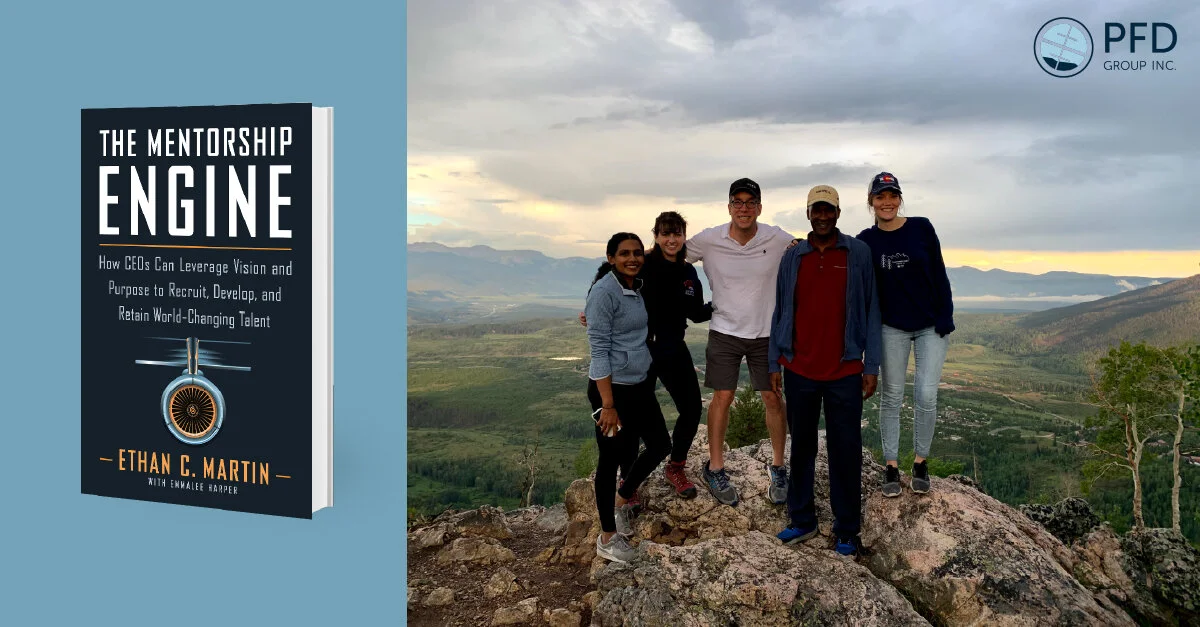
If you would like more tips on how reliably recruit, hire, and retain the best talent, be sure to check out our upcoming book, The Mentorship Engine, available for purchase on November 16.
Scaling your Company by Investing in your People
As a leader, I can confidently say that there is nothing more rewarding than seeing your employees thrive and grow in their roles. Too often the business world pushes the narrative that creating a unique and valuable employee experience is a cursory concern that only large companies have the resources or time to attend to. However, here at PFD, we are big believers in the idea that the culture and environment you create for your employees should be a central part of your business strategy.

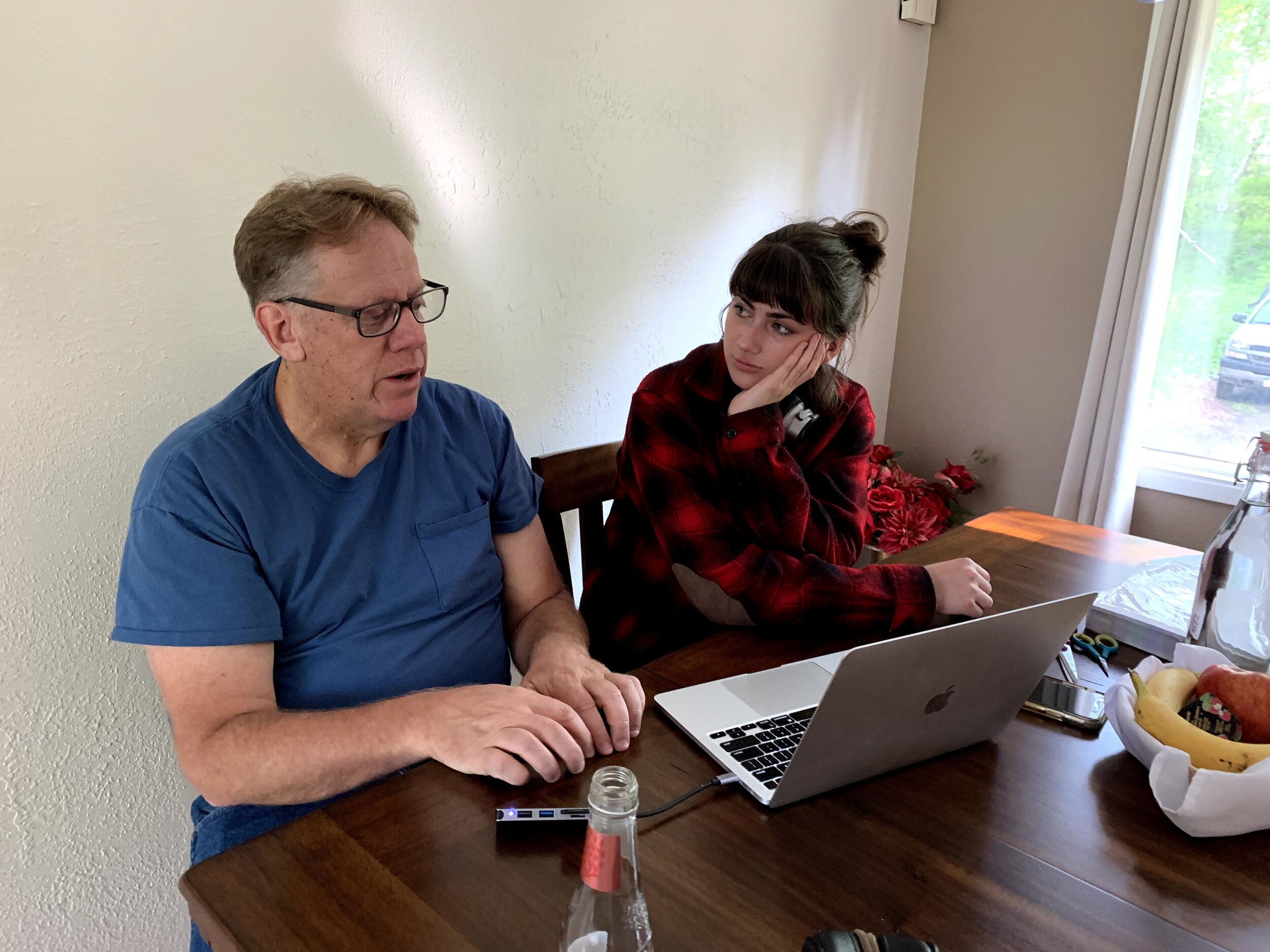
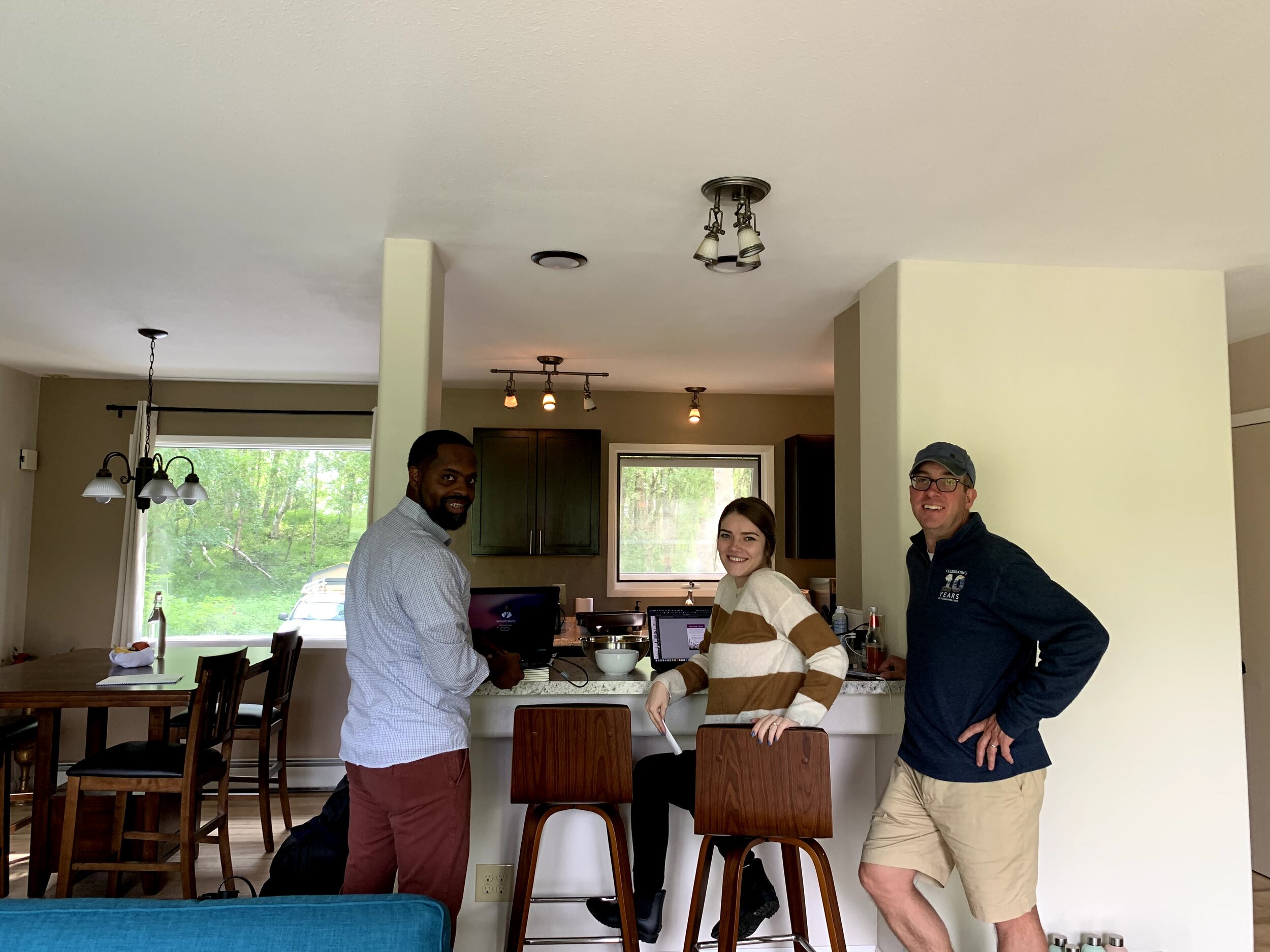

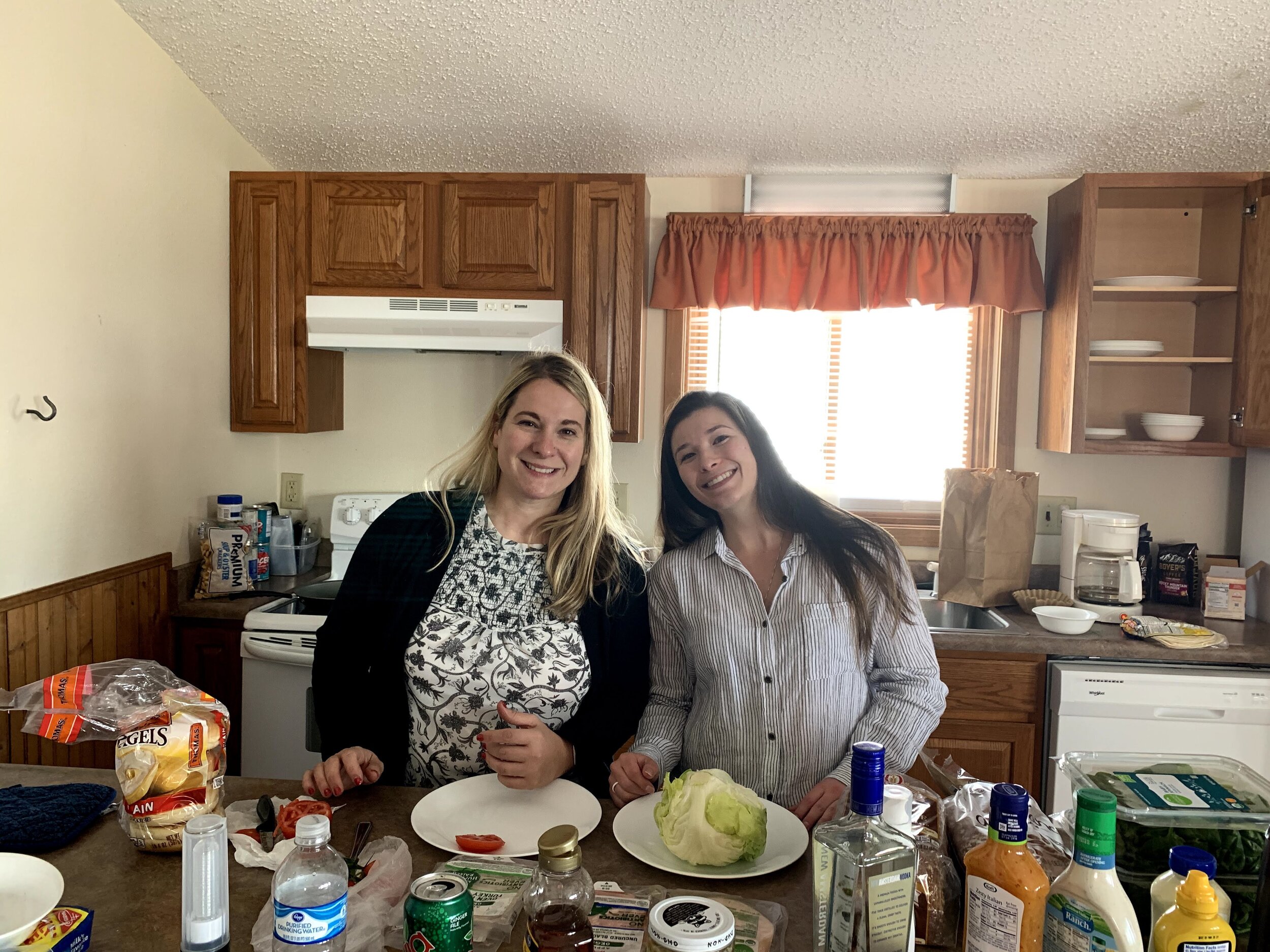
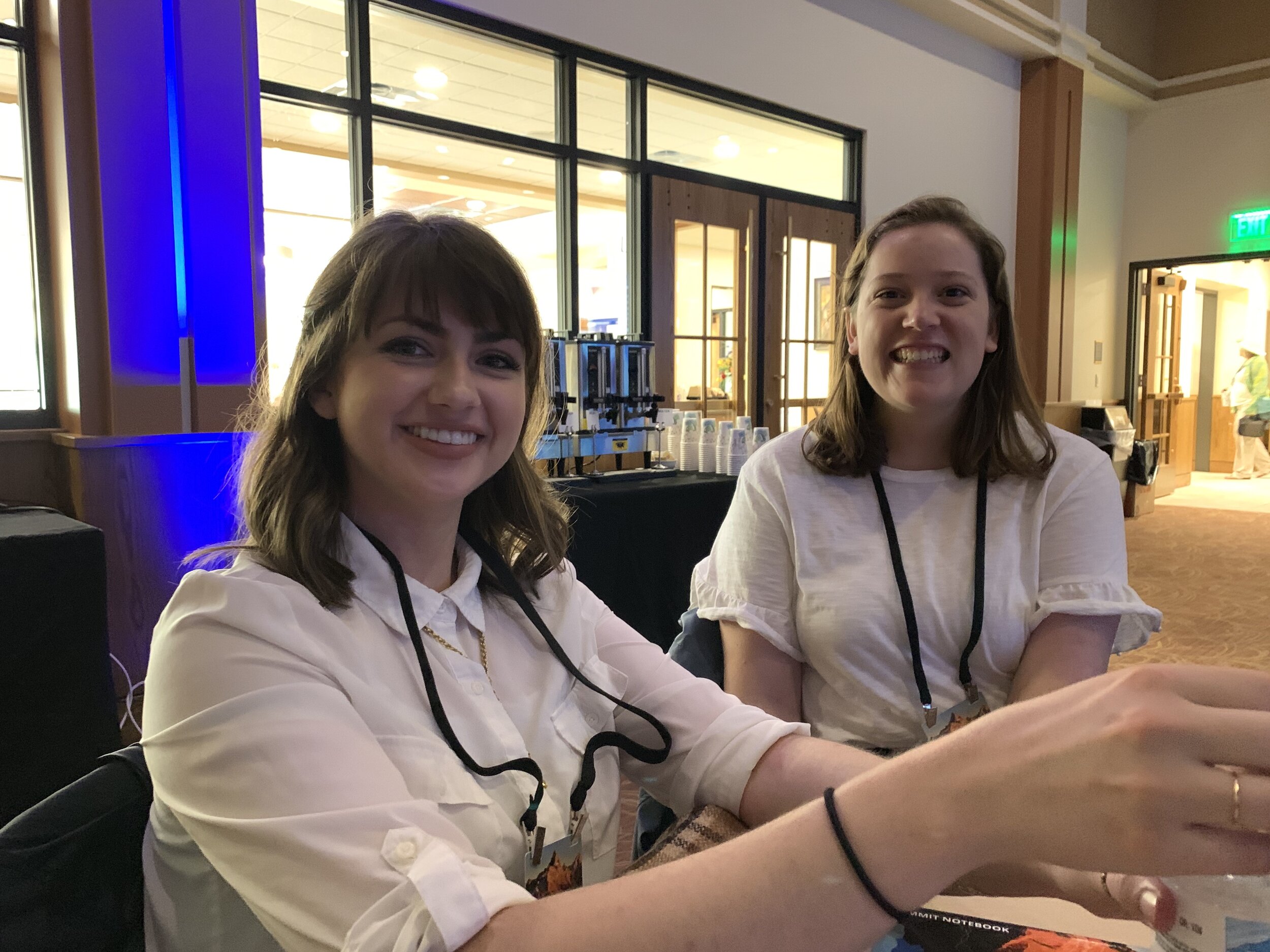


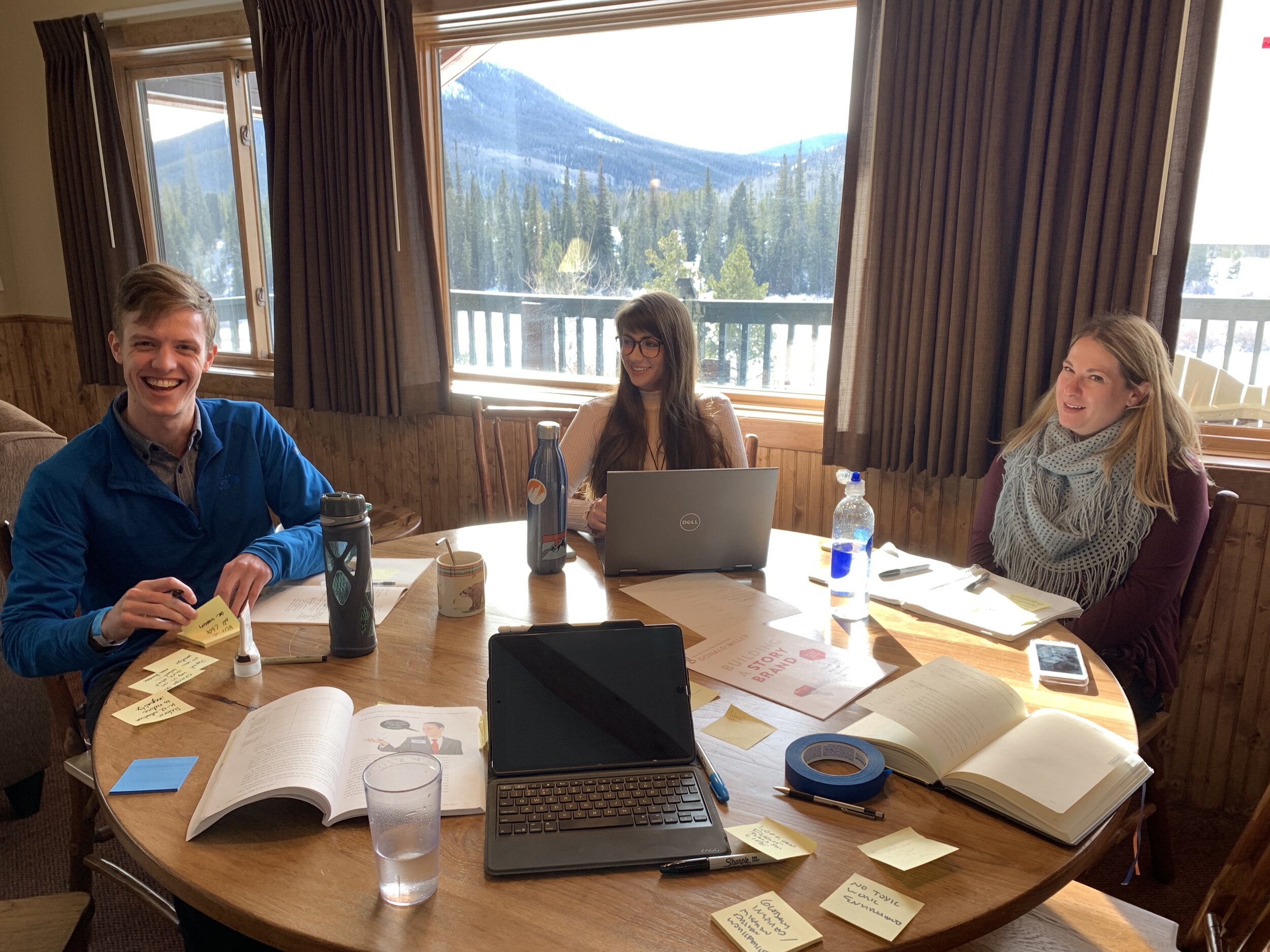


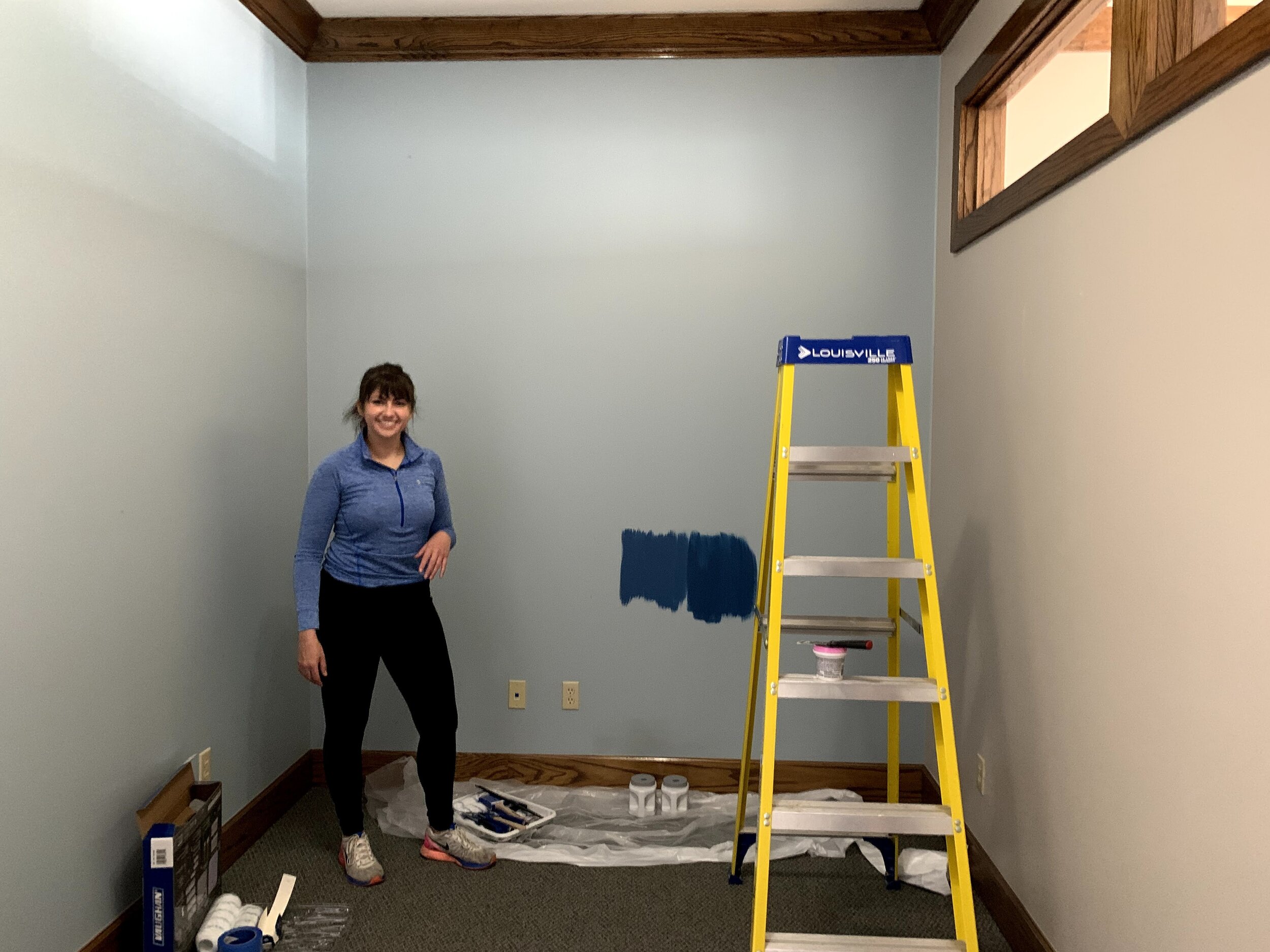







After all, companies grow due to the actions and commitment of those who work there. If you are not taking the time to create an environment in which every employee can succeed, then you are actually hurting your business. To create a company in which every employee is set up for success, we recommend that you take time to invest in three areas of your employee’s life:
Ensuring cultural fit: While it is important that your employees be diverse in talent and experience, it is also equally important that each of your employees share a set of workplace values. This means that there is an understanding of what behaviors are expected and that each employee lives by that. What is crucial as a leader is to ensure that you communicate clearly what those values are on a daily basis. This can minimize conflict and create comfort by increasing clarity of expectations.
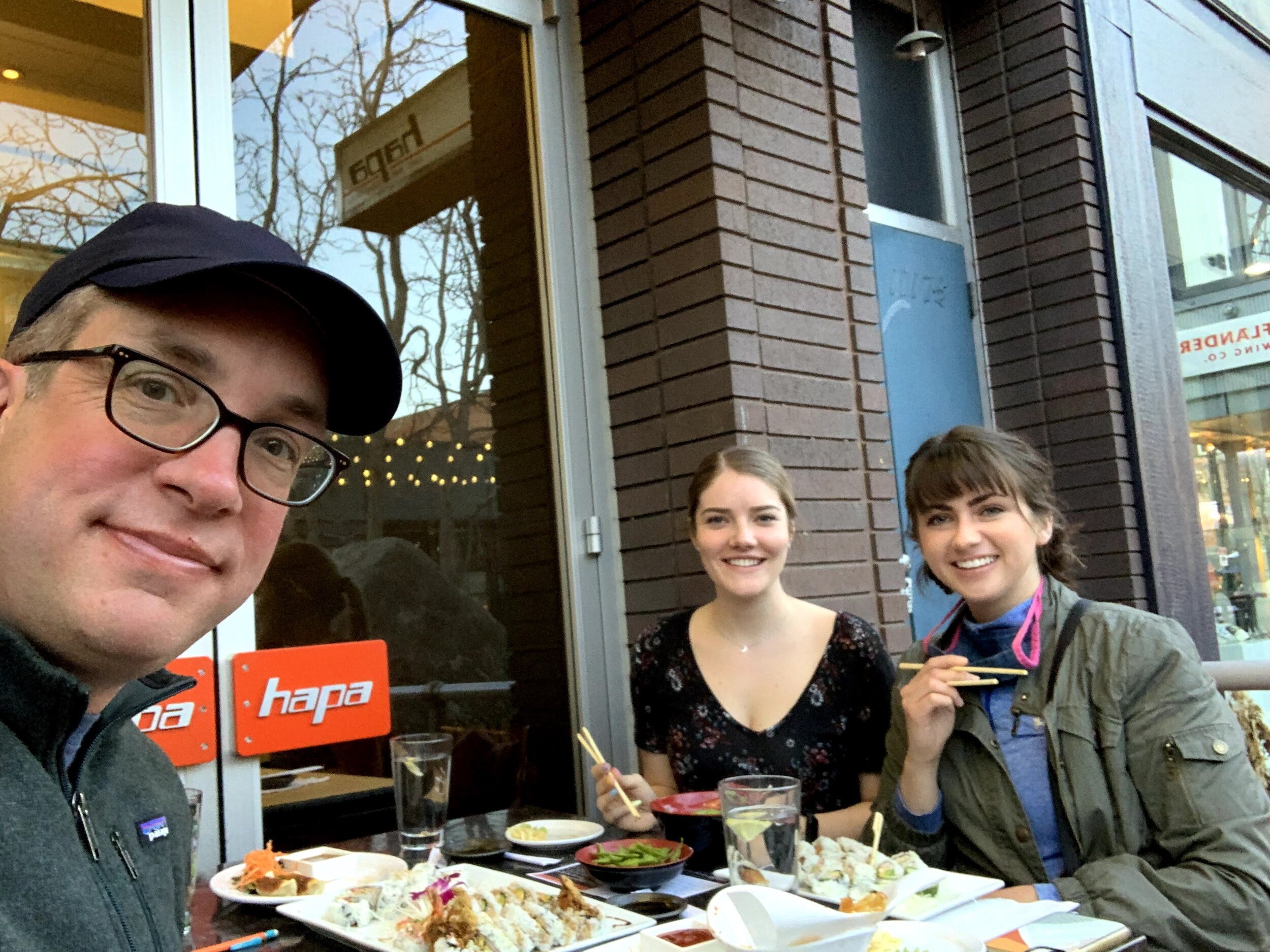
Providing opportunities for growth: Your employees want your workplace to be a space where they can grow and reach their full potential. To ensure they are able to do this, you should be providing them with timely coaching and resources for learning. For example, at PFD, I make sure to build mentoring relationships with my employees to ensure that they have the support they need to accomplish all their goals.
Environment: Your physical environment is something that can either add to or detract from the mental wellness of your employees. If your physical environment is sterile and dull, it may be difficult for your employees to focus. On the other hand, if there is natural light and greenery in your workplace, your employees may feel more connected to one another and motivated. You don’t need to have a Google-esque office environment, but it should be clean, comfortable, and welcoming.
If you’d like to learn more about each of these three steps and how to fully make mentoring and employee experience a part of your business strategy, I highly recommend that you look into ordering our book The Mentorship Engine when it is released this November. The Mentorship Engine will walk you through a repeatable framework with which you can craft a compelling vision for your company and then source and retain the talent you need to fulfill that vision. If you are at all interested in the idea of growing your people while also growing your company, this will be the book for you. Keep an eye out in the coming weeks for a pre-order link.


Finding Game-Changing Talent with a Creative Sourcing Plan
If there is one thing that I know to be true about business, it is that the people on your senior team and in your company are the deciding factors in whether or not your company can scale effectively. I can not tell you the number of times that one of my clients has brought on a new team member and been absolutely awed by how game-changing that addition became. For example, just recently, one of our clients brought on a new human resources head and was stunned by the positive transformation she generated in the company.
When I tell partners and colleagues about stories such as this, I’m always met with the same question: how exactly can I attract that type of game-changing talent? In the business climate we live in today, attracting top talent can be challenging: now more than ever, individuals have the option to apply to and work for companies all over the world. However, this shouldn’t scare you. With a creative and regimented talent sourcing plan, you too can put your company in a position to attract great talent.

A good creative sourcing plan should leverage three resources: community partnerships, talent recruitment agencies, and being opportunistic:
Community partnerships: Oftentimes amazing talent will be right in your backyard; you just need to know where to look. Community partnerships can be a powerful way to find that talent. Are there local universities, nonprofits organizations or boards that could connect you with potential employees? Once you identify individuals or organizations that may have potential employees, you can begin to build consistent partnerships with them. For example, I used to work closely with a professor at the University of Denver to find interns. This partnership gave me access to students that the professor thought were good fits instead of me trying to go through the school’s career center, which dozens of other companies were doing.
Talent recruitment agencies: Although this isn’t necessarily the most creative, talent recruitment agencies can be helpful. Your time and energy are valuable resources, so if you can afford to spend cash on recruitment agencies, it could be a worthwhile investment.
Being Opportunistic: As a leader, you should always be keeping an eye out for potential talent. What this means is that if you meet someone amazing as you are going through your day-to-day-life, recruit them. You can’t plan to meet people like this, but you should be prepared to. To be prepared, you should be able to communicate your mission, speak to why you provide a valuable experience and have business cards on hand.
These three avenues are each a viable way to find great talent and ones that I have personally used in the past. If you would like to discuss your sourcing plan further, feel free to reach out to me at emartin@pfd-group.com.

The Importance of Personal Life Planning
It’s often easy to ignore your personal life when you begin laying out your quarterly and yearly business goals. It goes without saying that as a leader you are always thinking strategically about your business: you set up benchmarks for success, discuss your goals and plan for the future business that you’d like to grow. While business planning is second nature to many great leaders, personal life planning is often undervalued and ignored.

Personal life planning refers to taking the time to think holistically about your life and set up goals and priorities for each area of your life. Business can be one of those areas, but if you are doing personal life planning, it should not be the only area that you plan around. For example, a significant part of my life is family. When I plan for the future that I am working to build, they are an important aspect of that future. To ensure that I am properly building them into my planning, I have to take time to ask questions such as, “how much time do I want to be spending with my family on a day-to-day basis?” and “what resources do I want to be able to provide my children?”
By asking these questions, I ensure that the work I am doing will help me to build a thriving life and not just a thriving business. Too often, I’ve come across individuals who have built amazing businesses but who, in the process, ignored other aspects of their lives. Personal life planning is a way to ensure that you do not ignore those critical parts of your life.
“You can’t be considered successful in your business life if your home life is in shambles.”
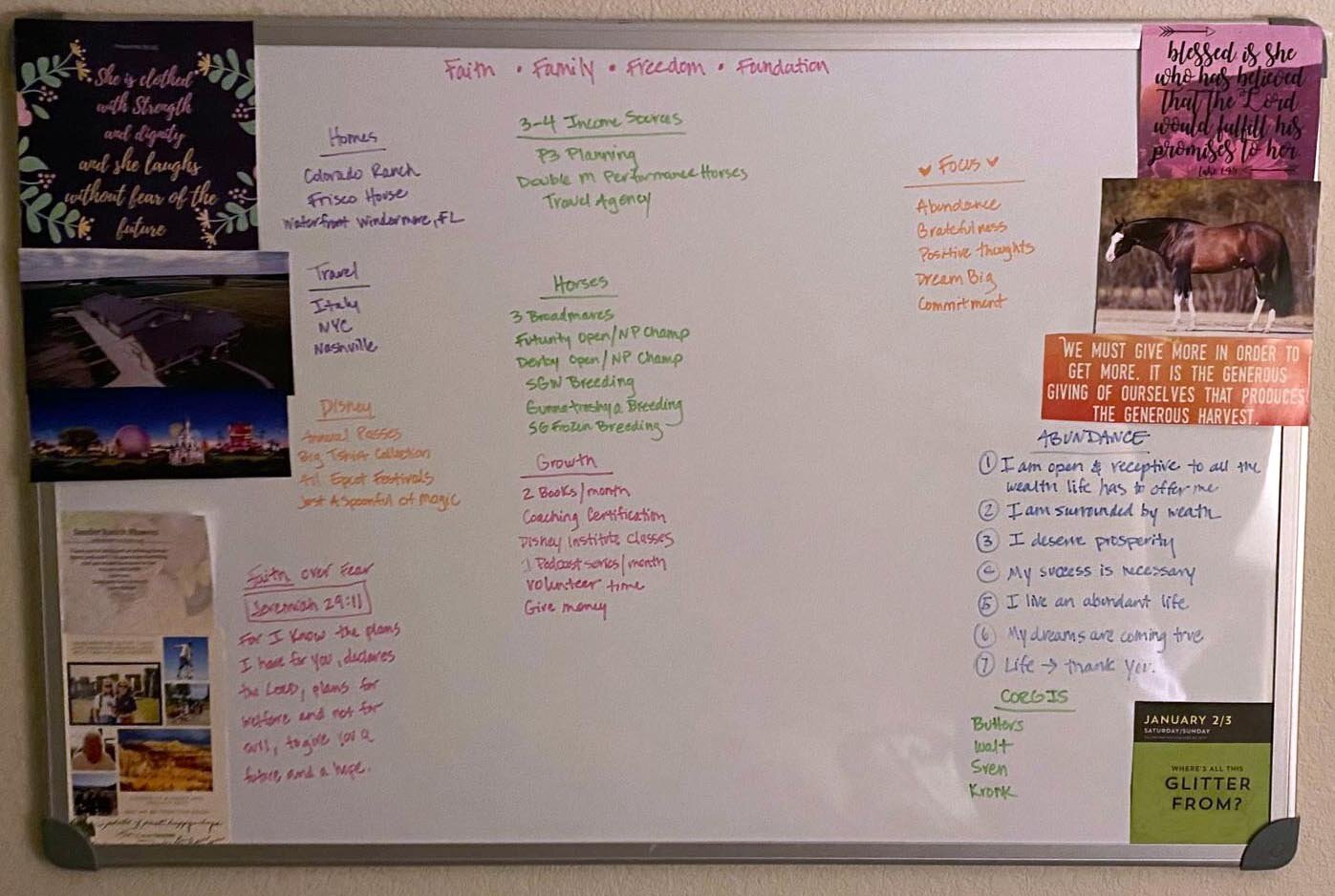
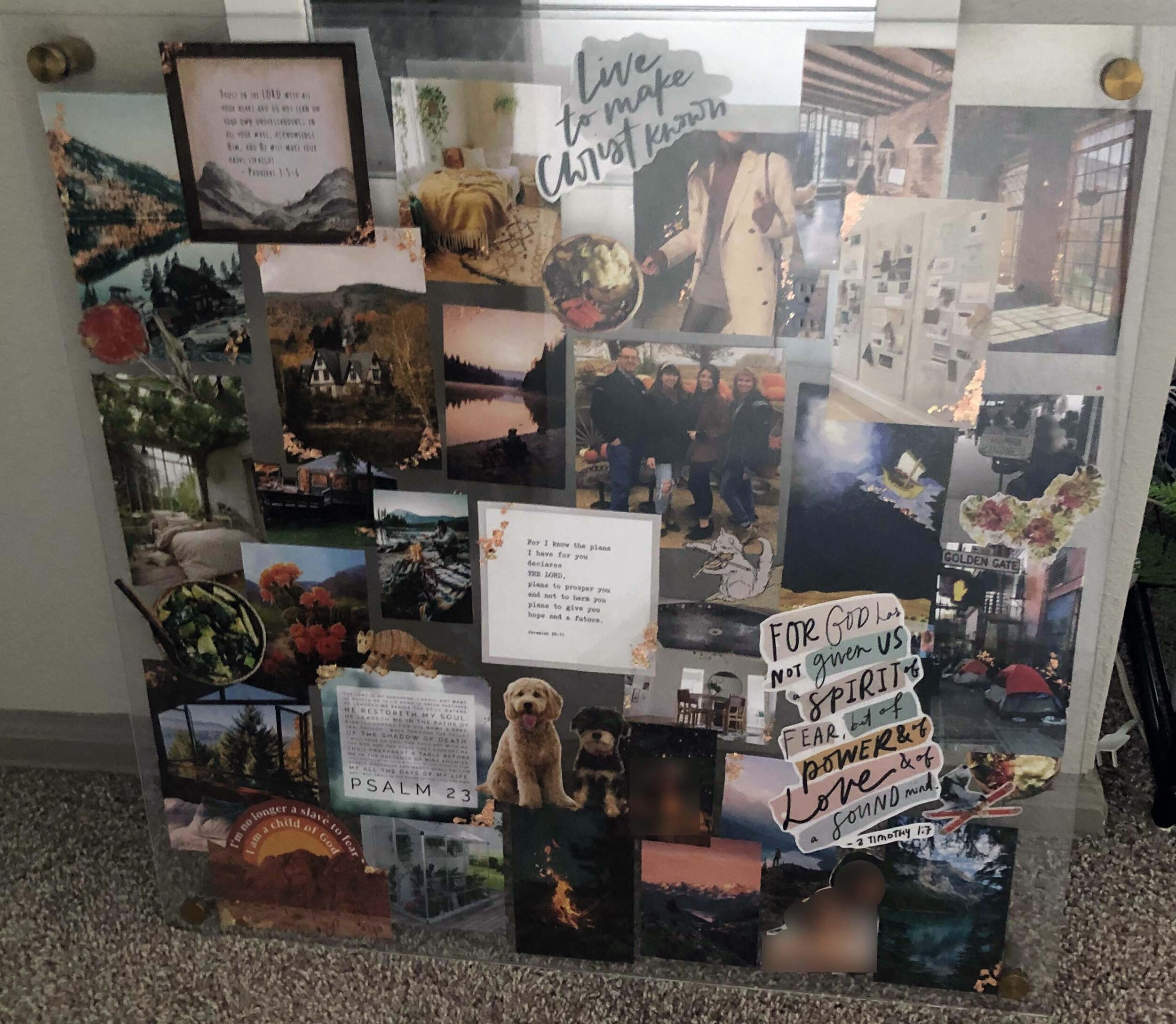

One way to make personal life planning a practice is to create a personal vision for yourself. Above, you will see some images from our team member’s vision boards. If you would like to learn more about vision boarding, and the powerful role it can play in personal life planning, click here.
Another powerful exercise to envision a future that you want to create is to go through what we call the Legacy Vision tool. This tool captures all that you want to be and do on a ten-to-thirty year timeline, and it will ask you to transport yourself into that future and answer questions such as:
Who do you serve with your business? Who do you serve in other areas of your life?
What is your impact? How do you want to be remembered?
How long are you working? How much time do you spend with family and friends? What is your relationship with your family and friends like?
For a complete set of exercises and questions, feel free to download our Legacy Vision Tool. Once you answer the questions and reflect on your future, you will have the information you need to draft a vision for your future. This vision can be one that you create with prose, bullet points or even with diagrams. The point of the vision is to have open space to envision what a thriving life looks like for you.

Quarterly Themes: Creating alignment and Boosting Team Morale
As we have been working in a pandemic for more than a year, there is one thing that all the leaders I have spoken with have agreed upon: we and our teams are exhausted. I am a big believer in optimism, but I am an equally large proponent of addressing what Admiral James Stockdale calls the “brutal facts of your current reality,” and, in this moment, addressing the brutal facts means recognizing that team morale and alignment may be suffering.
One powerful way to re-inspire your team and bring energy (and fun!) back into your workplace is to announce a quarterly theme that you and your team can rally behind. Quarterly themes are generally created by gathering a representative from each department and/or your leadership team for a quick 45 minute meeting.
In the meeting, you and your team should consider where your company is at, upcoming priorities and future goals. The most important thing to remember while creating this team is that it should create a “win x4;” a win for the company, a win for customers, a win for the employees, and a win for the community. By ensuring that your theme is one that will motivate your employees and create value for customers and community, you will effectively be drawing in a crowd of individuals who will support your work.
As an example, this quarter we at PFD have decided that our quarterly theme would be “Paddle!” We wanted to capture the idea that in order to catch a great wave of change, you have to put in significant effort to ensure that the wave does not pass you by. As a company, we have several key thrusts in the works, which led us to choose a theme that will remind us to keep paddling so that we can catch a wave that will generate enormous benefits for our team and community.

Q3 2021 Theme: Paddle! The Key Thrusts have been generalized so as not to give away our strategy.
If you would like more inspiration on potential themes for our company, check out some of our past themes:



Q2 2020 Theme: “Our Finest Hour”. For this theme, we were in the height of uncertainty with the pandemic, and we were searching for empowerment in our team. We found inspiration from another period of history marked with fear and uncertainty, WWII, and specifically Winston’ Churchill’s “This Was Their Finest Hour” speech. It was because of this speech that we decided to rise to the challenge - making that quarter “Our Finest Hour” - and finding creative ways to positively impact 1,000 lives. If you would like to read more about this theme, check out this blog post here.


Q1 2021 Theme: And… Action! For this quarter, we wanted to inspire our team to be very action-oriented, so to accomplish this end, we had our team track their use and adoption of our new project-management software. By ensuring the team used the project management software, they had a clear means to track progress on their projects, thus inspiring action. There also was a celebratory component, as we also had our team members submit photos of the different things they were doing - both within work and outside of work - to commemorate all that been done during the quarter.


Q3 2020 Theme: Partner Pinball (names removed this blog post). For this theme, we wanted our team members to engage with key partners throughout the quarter to help facilitate a strong launch to a project. A star was added next to the name of each partner engaged, to make sure we kept the focus on partners present and at the forefront. The relationships we have with CEOs and other leaders are critical to our success, so we wanted to focus on treating those partners well for the duration of the quarter.
If you would like more help creating your quarterly theme, I recommend this 9-minute video: Developing a Theme for Your Team.